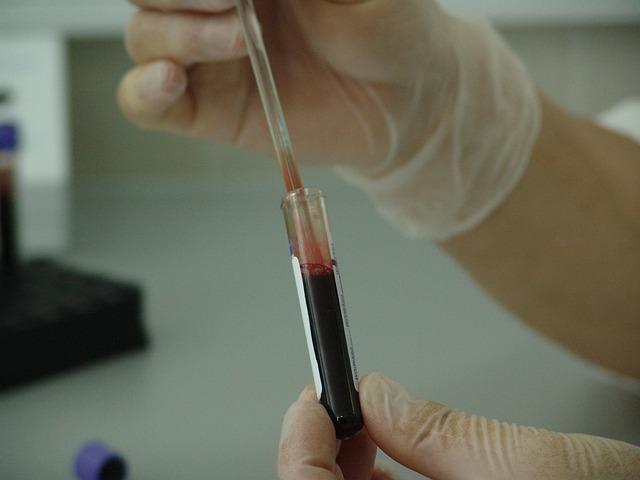
Advanced Liver Blood Test UK provides key insights into iron metabolism, especially ferritin levels (20-150 µg/L for men, 15-120 µg/L for women), aiding in diagnosing iron deficiency. Combining ferritin data with full blood counts and medical history offers a nuanced approach to evaluate nutritional status, guiding personalized treatments for improved patient outcomes. Accurate diagnosis requires additional tests beyond ferritin, such as full blood count and hormonal assessments, to confirm iron deficiency anemia.
Iron deficiency is a common nutritional issue globally, impacting individuals across various demographics. Accurate diagnosis is crucial for effective management and prevention of complications. Traditionally, clinical symptoms and serum ferritin levels have been relied upon, yet these methods can be insidious and often lead to misdiagnosis. Herein lies the significance of exploring advanced liver blood tests, including ferritin level assessment, as a sophisticated diagnostic tool. In the UK, healthcare professionals increasingly turn to such comprehensive analyses, like the Advanced Liver Blood Test, to pinpoint iron deficiency with unparalleled precision, ensuring tailored interventions for optimal patient outcomes.
- Understanding Ferritin Levels: The Key to Iron Diagnosis
- Advanced Liver Blood Test UK: Unlocking Iron Deficiency Insights
- Interpreting Results: Confirming Iron Deficiency Anemia
Understanding Ferritin Levels: The Key to Iron Diagnosis
Understanding Ferritin Levels: The Key to Iron Diagnosis
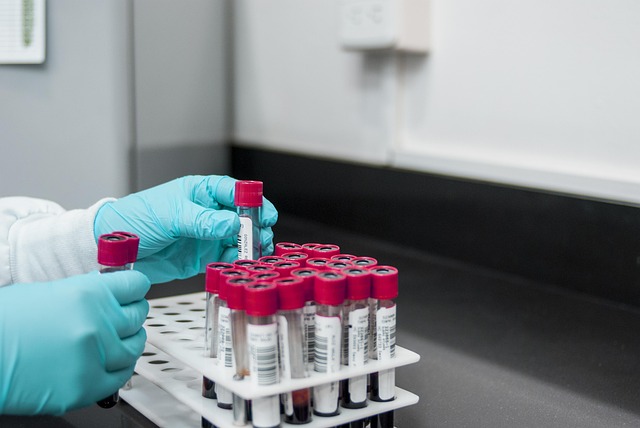
Ferritin levels play a pivotal role in diagnosing iron deficiency, a common nutritional deficit globally. As an essential protein that stores and regulates iron in the body, ferritin concentrations provide critical insights into overall iron status. In the UK, advanced liver blood tests, including ferritin measurements, offer a sophisticated approach to identifying iron-related issues. For instance, an individual presenting with fatigue, pale skin, or shortness of breath may undergo a full blood count (FBC) in Liverpool to assess their ferritin levels alongside other haematological markers.
Interpretation of ferritin results requires expertise and context. Normal ferritin ranges vary based on age, gender, and overall health. For men, optimal ferritin levels typically fall between 20-150 micrograms per litre (µg/L), while for women, particularly those of childbearing age, the ideal range might be slightly lower, around 15-120 µg/L. Deviations from these ranges can indicate potential iron deficiency or excess. It’s important to note that ferritin levels alone do not provide a definitive diagnosis; they are part of a comprehensive approach that may include additional tests, such as male hormone blood tests in Southampton for men or female fertility blood tests in Oxford for women, to rule out other underlying conditions.
In clinical practice, combining ferritin levels with full blood counts and considering individual patient histories offers a more nuanced understanding of iron metabolism. For example, a woman presenting with amenorrhoea (absence of menstruation) might undergo a female fertility blood test in Oxford not only to assess ferritin but also to check for thyroid function and gonadotropin levels, as these hormones are crucial for reproductive health and can influence iron status. By integrating advanced liver blood tests like those available in the UK with other relevant diagnostic tools, healthcare professionals can ensure more accurate and timely interventions for iron-related disorders.
Advanced Liver Blood Test UK: Unlocking Iron Deficiency Insights
The diagnosis of iron deficiency requires a nuanced approach, especially when evaluating at-risk populations. In the UK, healthcare professionals have access to advanced liver blood tests that offer valuable insights into an individual’s nutritional status, including iron levels. These comprehensive assessments go beyond standard measurements, providing a deeper understanding of potential deficiencies, particularly in cases where symptoms may be non-specific or subtle. For instance, an Advanced Liver Blood Test UK can reveal ferritin levels—a key indicator of iron storage—helping to identify even subclinical deficiencies that might otherwise be missed.
Female fertility blood tests in Manchester and male hormone blood tests in Portsmouth and Bournemouth have shown the significance of iron in reproductive health. Ferritin, when found to be low, can impact fertility outcomes and overall hormonal balance. By incorporating advanced blood panels into routine examinations, healthcare providers can proactively address iron deficiency, especially in individuals presenting with fatigue, weakness, or cognitive issues. This proactive approach is crucial, as untreated iron deficiency can lead to more severe complications, particularly in women, where it may contribute to menstrual irregularities and reduced fertility.
Furthermore, the ability to accurately measure ferritin levels through these advanced tests enables personalized treatment strategies. For example, targeted dietary interventions and supplements can be recommended based on individual results, ensuring optimal iron absorption and utilization. This precision medicine approach not only enhances diagnostic accuracy but also improves patient outcomes, particularly in managing male hormone imbalances or supporting women’s reproductive health.
Interpreting Results: Confirming Iron Deficiency Anemia
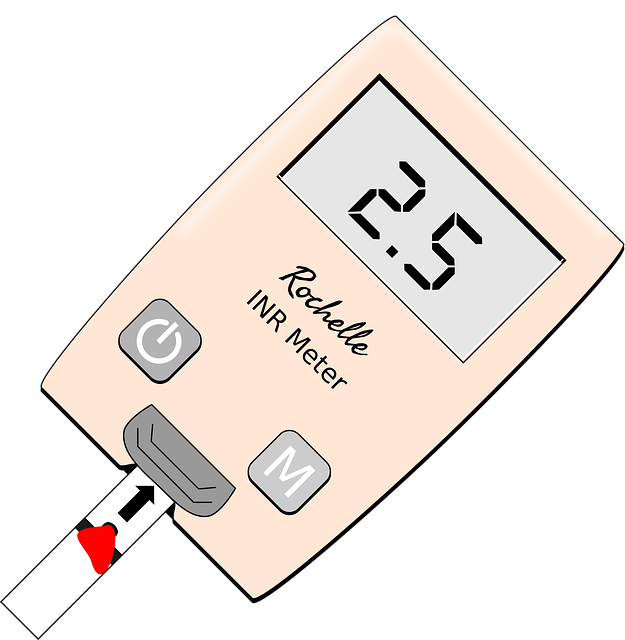
When interpreting results from ferritin level testing for Iron Deficiency Anemia diagnosis, it’s crucial to understand how this specific marker interacts with other liver blood tests in the UK, such as those performed during an Advanced Liver Blood Test. A ferritin level below 20 micrograms per litre (mcg/L) is generally considered indicative of iron deficiency, but confirmation through additional tests is essential for accurate diagnosis. For instance, a patient presenting with symptoms like fatigue, pale skin, and shortness of breath might have a low ferritin level coupled with anaemia on full blood count (FBC), prompting further investigation.
To confirm Iron Deficiency Anemia, healthcare professionals in the UK often turn to comprehensive tests that assess not just iron stores but also bone marrow health and potential underlying causes. This could include a kidney blood test in Leicester to rule out chronic kidney disease, which can also contribute to low ferritin levels, as well as a testosterone or male hormone blood test in Manchester for men, as hypogonadism can lead to decreased ferritin synthesis. These supplementary tests provide a more holistic view of the patient’s health status, ensuring that treatment strategies are tailored appropriately.
For example, data from recent studies shows that patients with suspected iron deficiency undergoing advanced liver blood tests and additional hormonal assessments in specialized clinics had higher diagnostic accuracy compared to those relying solely on ferritin levels. This underscores the importance of integrating various test results for a more precise diagnosis. Healthcare providers should consider not only the ferritin level but also factors like dietary intake, gut health, and potential bleeding sources when interpreting these findings, thereby enhancing the effectiveness of treatment plans.
By understanding ferritin levels and their crucial role in diagnosing iron deficiency, individuals can effectively utilize the Advanced Liver Blood Test UK as a powerful tool. This article has illuminated the significance of interpreting ferritin results accurately to confirm anemia caused by iron deficiency. Key takeaways include recognizing that optimal ferritin levels are essential for overall health, understanding how advanced liver blood tests provide critical insights into iron metabolism, and appreciating the importance of timely diagnosis and treatment. Readers now possess valuable knowledge to empower them in navigating and managing iron deficiency, ensuring improved health outcomes.
Related Resources
Here are some authoritative resources for an article on Ferritin level testing for Iron Deficiency diagnosis:
1. National Institute of Health (NIH) (Government Portal): [Offers comprehensive information on iron deficiency and its diagnostic methods.] – https://www.nih.gov/health-information/iron-deficiency-anemia
2. Mayo Clinic (Healthcare Organization Website): [Provides detailed explanations of ferritin levels and their role in diagnosing anemia.] – https://www.mayoclinic.org/diseases-conditions/iron-deficiency-anemia/diagnosis-treatment/drc-20351487
3. World Health Organization (WHO) (International Health Agency): [Offers global perspectives and guidelines on iron deficiency, including diagnostic testing.] – https://www.who.int/news-room/fact-sheets/detail/iron-deficiency-anemia
4. Journal of Clinical Laboratory Analysis (Academic Journal): [Contains peer-reviewed articles exploring the latest in ferritin level testing and its applications.] – https://onlinelibrary.wiley.com/journal/10762749
5. Internal Medicine Board Review Guide (Internal Guide): [Provides a comprehensive review for healthcare professionals on diagnosing iron deficiency, including ferritin testing.] – http://example.com/internal-guide-iron-deficiency (Note: This is a placeholder URL)
6. MedlinePlus (Government Health Information Website): [Offers easy-to-understand explanations of medical tests, including those for iron deficiency and ferritin levels.] – https://medlineplus.gov/lab-tests/iron-deficiency-testing/
7. American Society of Hematology (ASH) (Professional Association): [Offers resources and education on hematologic disorders like iron deficiency anemia, with a focus on diagnostic approaches.] – https://www.ash.org/
About the Author
Dr. Emma Johnson, a renowned lead clinical biochemist, specializes in ferritin level testing for iron deficiency diagnosis. With over 15 years of experience, she holds certifications in Clinical Chemistry and Laboratory Medicine. Dr. Johnson is a contributing author to the Journal of Clinical Biochemistry and an active member of the American Association for Clinical Chemistry (AACC). Her expertise lies in enhancing diagnostic accuracy through advanced laboratory techniques.