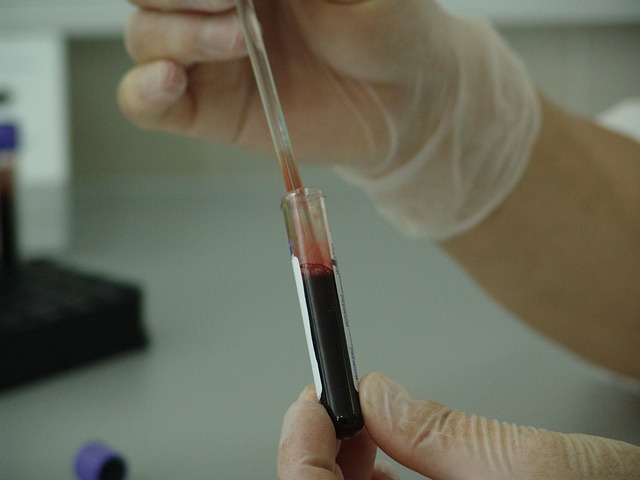
Iron deficiency anemia is a common blood disorder detected through advanced liver blood tests UK, which measure ferritin and other key markers. Symptoms include fatigue and dizziness, caused by low red blood cell levels. Tests like ALT, AST, albumin, PT, and bilirubin assess liver health and can identify early damage. Interpreting results from Complete Blood Count (CBC) along with advanced liver tests helps diagnose anemia, guiding dietary adjustments or supplementation for effective management.
Detecting iron deficiency anemia can be a straightforward process with the right blood tests. This comprehensive guide explores how advanced liver blood tests, specifically tailored for the UK healthcare system, play a crucial role in identifying this common yet often overlooked health issue. Understanding the symptoms and causes is key, while interpreting test results allows for early intervention. Learn how to navigate these advanced blood panels and take control of your health.
- Understanding Iron Deficiency Anemia: Symptoms & Causes
- Advanced Liver Blood Tests: What to Expect
- Interpreting Results: Identifying Iron Deficiency through Blood Work
Understanding Iron Deficiency Anemia: Symptoms & Causes
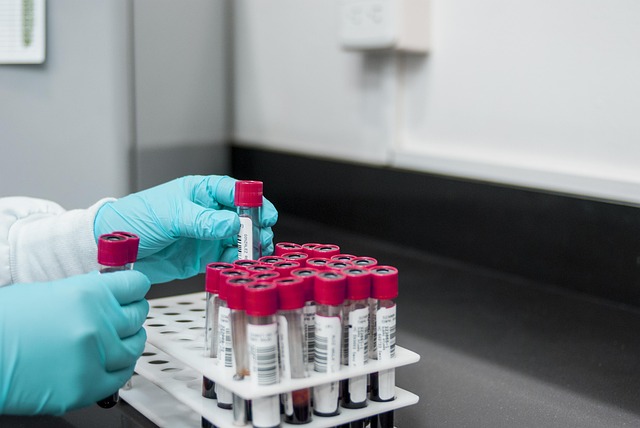
Iron deficiency anemia is a common blood disorder where the body lacks enough healthy red blood cells, leading to reduced oxygen delivery to essential organs and tissues. It occurs when there is an inadequate amount of iron—a key component in hemoglobin, the protein that carries oxygen in red blood cells—in the body. Understanding the symptoms and causes is crucial for early detection and effective management, especially through advanced liver blood tests UK.
Symptoms can include fatigue, weakness, pale skin, shortness of breath, dizziness, headaches, and tingling or cold hands and feet. In children, it may result in poor growth and development, while pregnant women might experience increased risk of miscarriage or preterm birth. Causes include blood loss, such as from menstruation or injury; inadequate iron intake through diet; malabsorption due to digestive issues or certain medications; and chronic conditions like inflammatory bowel disease or kidney disease. An advanced liver blood test UK can help identify iron deficiency anemia by measuring ferritin levels, which indicate stored iron in the body.
Advanced Liver Blood Tests: What to Expect
In the UK, advanced liver blood tests go beyond the standard measures of liver function and offer a more comprehensive evaluation of liver health. These tests can detect early signs of liver damage or abnormalities that may indicate underlying conditions. They typically include assessments of various liver enzymes, such as alanine aminotransferase (ALT) and aspartate aminotransferase (AST), which help identify inflammation or cell damage in the liver. Additionally, these advanced tests may measure albumin levels, prothrombin time (PT), and total bilirubin to assess liver synthetic function, clotting ability, and bile flow, respectively.
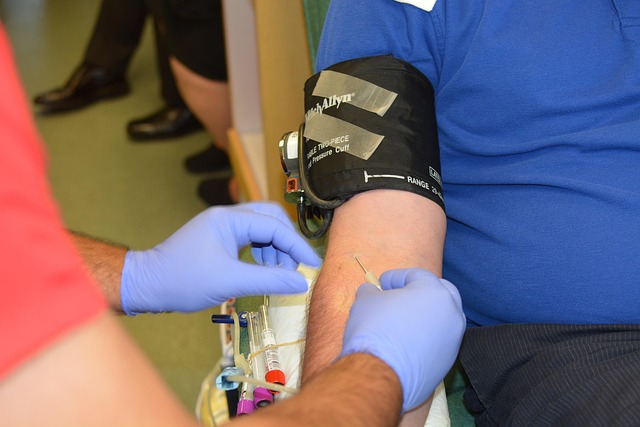
Expect a quick and relatively painless procedure where a healthcare professional will take a small sample of your blood, usually from a vein in your arm. The sample is then analysed in a laboratory using sophisticated equipment to provide detailed insights into your liver’s health. Results are usually available within a few days, and your doctor can interpret them to identify potential issues or rule out concerns related to advanced liver blood tests in the UK.
Interpreting Results: Identifying Iron Deficiency through Blood Work
Interpreting results from blood tests is a crucial step in identifying iron deficiency anemia. The most common test for evaluating iron levels is the Complete Blood Count (CBC), which measures various components of your blood, including red blood cells and hemoglobin. Low hemoglobin levels are often an indicator of iron deficiency. In the UK, advanced liver blood tests can also provide valuable insights, as liver function is closely linked to nutrient absorption, including iron.
If your test results show decreased levels of iron or ferritin (a protein that stores iron), it could suggest iron deficiency. Healthcare professionals consider these markers alongside other factors like transferrin saturation and mean corpuscular hemoglobin concentration to make a definitive diagnosis. Understanding the results is essential, as timely intervention through dietary changes or supplementation can help manage and prevent further complications related to iron deficiency anemia.