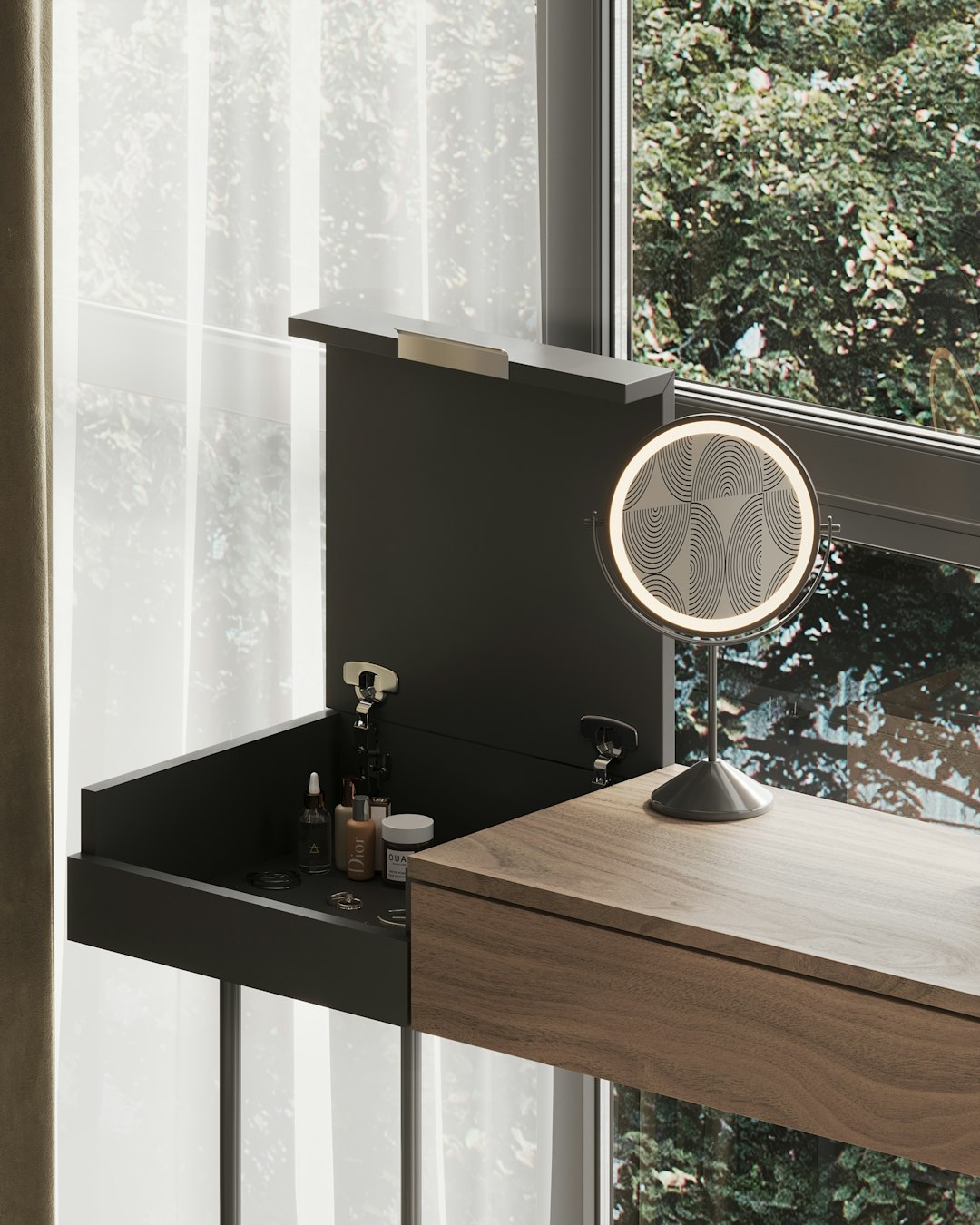
In the realm of efficient and space-saving solutions for modern living, the floating dressing table has emerged as a game-changer. As urban dwellings become more prevalent, maximizing every inch of available space is paramount. Traditional furniture arrangements can be cumbersome in compact spaces, leading to cluttered environments that hinder productivity and relaxation. This article delves into this problem and presents a stylish and innovative answer: the floating dressing table. We’ll explore its design principles, benefits for both functionality and aesthetics, and how it can transform your living or sleeping areas into serene, organized oases.
Selecting the Perfect Materials for Your Floating Dressing Table
Selecting the perfect materials for your floating dressing table involves a balance between aesthetics, functionality, and durability. For the table top, glass and acrylic are popular choices due to their sleek, modern appearances. Glass, with its transparency and ability to reflect light, adds a touch of elegance, while acrylic offers a wider range of colors and textures, making it an excellent choice for those seeking a more unique look. Both materials are lightweight, making them ideal for floating dressing tables that need to be easily moved or adjusted.
When considering the legs and framework, metal is the go-to option for its strength and versatility. Stainless steel legs provide a modern, industrial aesthetic, while brass or copper offer a warmer, more classic look. Wood legs, while less common, can add a natural charm, ensuring the table complements various interior designs. The choice should align with your personal style and the overall aesthetic of your space, ensuring the floating dressing table seamlessly integrates into your bedroom or bathroom.
In terms of maintenance, glass and acrylic require minimal care, merely wiping down with a soft cloth. Metal legs demand slightly more attention, requiring occasional polishing to prevent scratches and maintain their luster. Wood legs necessitate regular conditioning to preserve their finish and prevent warping. Prioritizing materials that are easy to maintain will ensure your floating dressing table remains a functional and attractive addition to your space for years to come.
Design and Layout: Creating a Functional Space
Designing a functional and aesthetically pleasing space often hinges on the strategic placement of key furniture pieces, particularly in smaller areas where every inch counts. A floating dressing table, for instance, can be a versatile and elegant solution. This type of dresser is mounted to a wall, freeing up floor space and allowing for more flexibility in layout arrangements. By positioning it near a window or in a corner, you can create an immediate sense of openness while providing ample surface area for grooming routines.
Consider a compact bedroom where the addition of a floating dressing table might transform the space. Place it strategically opposite a large mirror to double the usable area and create the illusion of depth. This simple adjustment can make the room feel larger, promoting better air circulation and an overall sense of calm. When selecting or designing your floating dressing table, prioritize quality craftsmanship and thoughtful design details like built-in lighting to ensure optimal functionality even in dimly lit spaces.
Furthermore, integrating storage solutions into the dressing table itself is a smart way to maximize space efficiency. Drawer dividers, hanging racks for clothing, and adjustable shelves can accommodate various items while keeping everything organized. By combining form with function, a floating dressing table becomes not just a practical furniture piece but an artful centerpiece that reflects your personal style, making it a true game-changer in compact living spaces.
Installation and Customization Tips for Maximum Efficiency
The installation and customization of a floating dressing table can significantly enhance your space and daily routine. When correctly implemented, this versatile piece offers more than just storage; it becomes a central component in streamlining your morning preparations or evening rituals. For optimal efficiency, consider a systematic approach to its placement and personalization.
Start by evaluating your available space. Floating dressing tables are designed to adhere to walls, making them ideal for narrow areas or rooms where floor space is limited. Ensure the chosen location provides adequate clearance for both functional use and aesthetic appeal. For instance, placing it near a window can provide natural light, enhancing your grooming rituals, but leave enough room to avoid obstructions. Customization comes into play with the selection of additional features. Incorporate mirrors for better visibility, adjustable shelves to accommodate various products, or drawers for storing smaller items. A tailored setup ensures every detail fits your needs and preferences.
Data from interior design studies suggests that efficient storage solutions can reduce clutter by up to 30%, significantly improving overall space organization. By customizing your floating dressing table with dedicated compartments, you create a structured environment that minimizes disarray. Regularly declutter and rearrange your table to maintain productivity. This simple practice allows for easy access to essential items while promoting a calm and organized ambiance in your personal sanctuary.