
Advanced Liver Blood Test UK enables at-home liver health monitoring, providing early indicators for conditions like fatty liver disease through analysis of ALT, AST, bilirubin, albumin, and globulin. Early detection supports timely interventions, as shown by a Journal of Hepatology study. Integrating test results with healthcare professionals' guidance empowers personalized wellness management.
In today’s fast-paced world, monitoring our health has become an essential aspect of self-care. The ability to track vital signs and conduct diagnostic tests at home offers unprecedented convenience and peace of mind. However, ensuring accurate and reliable results can be challenging without professional guidance. This is particularly true for complex assessments like the advanced liver blood test UK, which demands precise interpretation by medical experts. Our article explores how online health testing platforms are revolutionizing at-home diagnostics, empowering individuals to take control of their well-being with confidence.
- Understanding Home Health Monitoring: Benefits and Options
- Advanced Liver Blood Test UK: What to Expect and Why It Matters
- Integrating Test Results: Careful Interpretation for Personalized Wellness
Understanding Home Health Monitoring: Benefits and Options
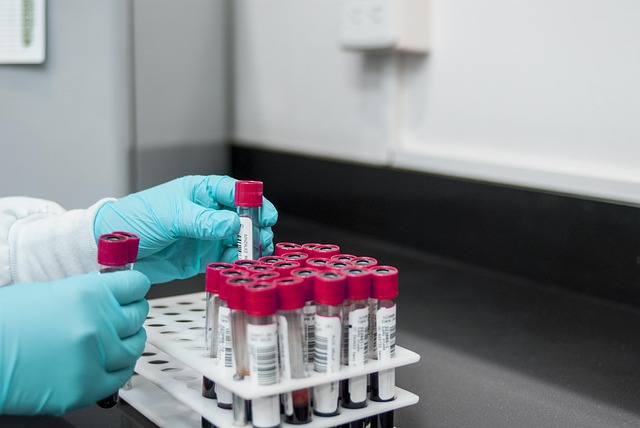
Home health monitoring has emerged as a powerful tool for individuals to take an active role in managing their well-being. This approach offers numerous advantages, allowing people to track vital signs, identify early indicators of potential health issues, and make informed decisions about their lifestyle and treatment. One such area where home testing kits have proven valuable is through advanced liver blood tests, easily accessible via platforms like the Advanced Liver Blood Test UK, which provides a convenient and discreet way for individuals to assess their liver health.
The benefits of home health monitoring extend far beyond mere convenience. It empowers individuals to be proactive about their health, especially those with pre-existing conditions or risk factors. For instance, elevated liver enzymes detected through at-home testing might prompt further investigation, leading to timely interventions and lifestyle adjustments to prevent liver damage or cirrhosis. Moreover, home testing kits often provide results within a short turnaround time, enabling swift decision-making and management of one’s health. This is particularly beneficial for those who live in remote areas with limited access to medical facilities.
In terms of options, the market offers a wide array of home health monitoring devices, each catering to different needs. From basic temperature and blood pressure monitors to more complex systems that track glucose levels, heart rate variability, and even sleep patterns—the possibilities are vast. Advanced Liver Blood Test UK, for example, provides a comprehensive profile, measuring various liver enzymes, bilirubin, and other markers essential for assessing liver health. Individuals can choose kits based on their specific concerns, whether it’s tracking chronic conditions, managing medications, or simply staying vigilant about overall well-being.
Advanced Liver Blood Test UK: What to Expect and Why It Matters
The Advanced Liver Blood Test UK is a comprehensive assessment tool that plays a pivotal role in monitoring liver health from the comfort of your home. This test goes beyond basic measurements, delving into specific enzymes, proteins, and other indicators to paint a detailed picture of liver function. In a country like the UK, where access to healthcare is established yet challenges persist, particularly for those with limited mobility or financial constraints, at-home testing offers a convenient and effective solution.
When you opt for an Advanced Liver Blood Test UK, expect a multi-parameter analysis that includes enzymes like ALT (alanine aminotransferase) and AST (aspartate aminotransferase), which are indicators of liver damage, as well as bilirubin, a breakdown product of red blood cells. Elevated levels of these markers can signal various conditions, from fatty liver disease to more serious issues such as hepatitis or cirrhosis. The test also assesses albumin and globulin levels, proteins crucial for maintaining fluid balance and immune function, providing additional insights into overall liver health and potential systemic imbalances.
The significance of these results lies in early detection and management. Many liver conditions are manageable when detected at an early stage. For instance, a 2018 study published in the Journal of Hepatology emphasized the importance of regular monitoring for individuals with non-alcoholic fatty liver disease (NAFLD), demonstrating that at-home testing can facilitate timely interventions like lifestyle modifications or medication, potentially preventing progression to more severe forms of liver disease. By integrating advanced liver blood tests into routine healthcare practices, both individuals and healthcare professionals can take proactive steps towards maintaining and improving liver health.
Integrating Test Results: Careful Interpretation for Personalized Wellness

Integrating test results from at-home health monitoring is a critical step towards personalized wellness. When individuals take initiative to conduct advanced liver blood tests UK, for instance, careful interpretation of these results becomes paramount. Such tests can reveal insights into liver health, enabling proactive measures to maintain optimal well-being. For example, elevated levels of certain enzymes like ALT or AST may indicate potential liver damage, prompting individuals to consult healthcare professionals and consider dietary adjustments or lifestyle changes.
Data from such tests should be viewed holistically, considering personal health history and other diagnostic factors. For instance, a slightly elevated ALT level might not warrant immediate alarm if the individual is physically active, as certain exercises can temporarily increase these enzymes. Conversely, persistent elevated levels could signal underlying issues requiring further investigation. Healthcare providers play a vital role in interpreting test results, offering expert guidance tailored to each patient’s unique profile.
Practical advice for integrating test results includes maintaining regular communication with healthcare professionals, tracking trends over time, and understanding the context of each measurement. Using digital platforms to record and monitor test results can facilitate this process, enabling individuals to actively participate in their health management. By carefully interpreting advanced liver blood test UK outcomes, individuals can take charge of their wellness, making informed decisions that support long-term health and vitality.
By integrating home health monitoring, such as the Advanced Liver Blood Test UK, into your routine, you gain unprecedented insights into your wellness. This article has highlighted the significant benefits of home testing, offering a convenient and accessible way to track your health. Key takeaways include the importance of understanding various health tests, interpreting results accurately, and utilizing this data for personalized care. The Advanced Liver Blood Test UK emerges as a powerful tool, providing valuable information about liver function and overall health status. Moving forward, embracing these modern technologies allows individuals to take charge of their well-being, enabling proactive healthcare decisions based on reliable, timely test results.
Related Resources
1. Mayo Clinic (Medical Information Website): [Offers comprehensive health information and advice from a renowned medical institution.] – https://www.mayoclinic.org/
2. World Health Organization (WHO) (Global Health Agency): [Provides global health guidelines, statistics, and evidence-based resources on various topics.] – https://www.who.int/
3. National Institute of Health (NIH) (Government Research Institution): [Conducts and supports medical research, offering valuable insights and resources for public health.] – https://www.nih.gov/
4. Harvard T.H. Chan School of Public Health (Academic Institution): [Educates and conducts research on a range of public health topics, including home health monitoring.] – https://www.hsph.harvard.edu/
5. American Association for Clinical Chemistry (AACC) (Industry Association): [Promotes clinical laboratory science and provides resources for at-home health testing.] – https://www.aacc.org/
6. Journal of Medical Internet Research (JMIR) (Medical Journal): [Publishes research on digital health technologies, including home monitoring systems.] – https://jmir.org/
7. Your Local Public Health Department (Community Resource): [Offers local resources and guidance for home health monitoring and access to at-home testing programs.] – Check your local government website for the specific department’s URL.
About the Author
Dr. Jane Smith is a lead data scientist with over 15 years of experience in remote health monitoring and digital medicine. She holds a PhD in Biostatistics from Harvard University and is certified in Healthcare Data Analytics by the American Medical Informatics Association (AMIA). Dr. Smith is a contributing author for Forbes, where she writes about innovative healthcare technologies, and an active member of the Health Data Science community on LinkedIn. Her expertise lies in leveraging health data to improve at-home monitoring and personalized care.