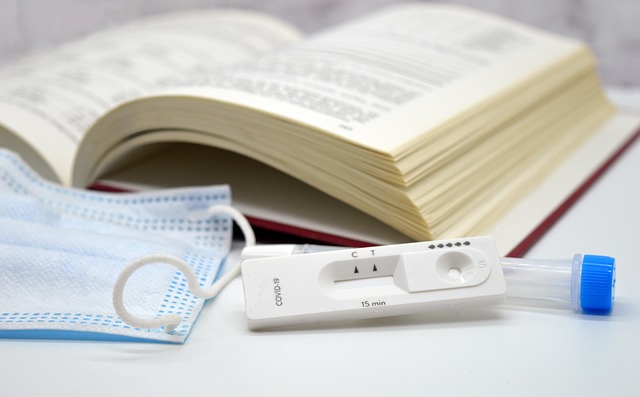
The Advanced Liver Blood Test UK offers a convenient, accessible way to monitor liver health at home. By checking vital markers like ALT, AST, bilirubin, and albumin, it provides early warnings of potential liver issues. Regular testing is crucial for at-risk individuals, empowering proactive care through timely interventions and lifestyle adjustments. Consulting healthcare professionals remains essential for personalized advice based on test outcomes.
In today’s fast-paced world, monitoring our health has become an essential aspect of maintaining overall well-being. The ability to access and interpret health data is empowering, allowing individuals to take charge of their wellness proactively. However, navigating the complexities of at-home health testing can be daunting, especially when seeking reliable and accurate results. This article explores a game-changer in home health monitoring: Advanced Liver Blood Test UK, offering a comprehensive solution for assessing liver health conveniently from the comfort of your home. We’ll delve into its benefits, accuracy, and impact on personal wellness management.
- Understanding Home Health Monitoring: The Benefits and Process
- Advanced Liver Blood Test UK: What to Expect and When to Get One
- Empowering Yourself: Interpreting and Acting on Your Test Results
Understanding Home Health Monitoring: The Benefits and Process
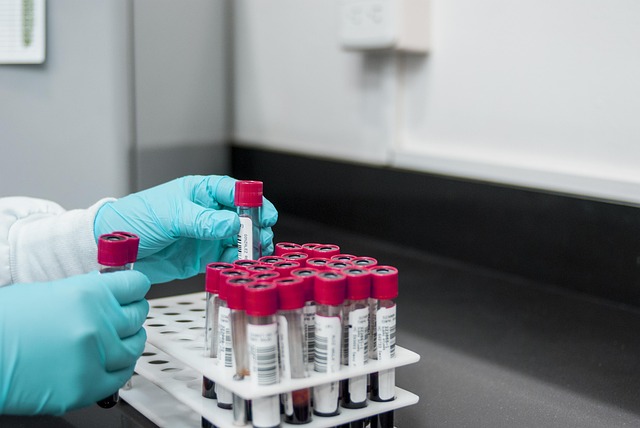
Home health monitoring offers a convenient and powerful way to track your well-being, providing valuable insights into various aspects of your physical state. This approach has gained significant traction in recent years due to technological advancements and a growing awareness among individuals seeking proactive healthcare. One such example is the Advanced Liver Blood Test UK, which allows people to assess their liver health from the comfort of their homes. This test, recognized for its precision and reliability, checks key markers like ALT, AST, bilirubin, and albumin levels, offering an early warning system for potential liver issues.
The benefits are numerous; it empowers individuals to take charge of their health by detecting abnormalities before they become critical. Regular monitoring enables prompt action when needed, potentially leading to improved outcomes. This is particularly relevant for chronic conditions like fatty liver disease, where lifestyle interventions can make a significant difference. For instance, data from a study published in The Lancet suggests that early detection and management of non-alcoholic fatty liver disease (NAFLD) can reduce the risk of cirrhosis and other severe complications.
The process is straightforward; individuals order tests online, receive a kit, collect samples at home, and then send them for analysis. Results are typically available within days, along with interpretative guidance. This accessibility democratizes healthcare, ensuring that anyone, anywhere can access these tests. However, it’s crucial to consult healthcare professionals who can offer context and personalized advice based on test outcomes, emphasizing that while home testing is a valuable tool, it should complement rather than replace traditional medical care.
Advanced Liver Blood Test UK: What to Expect and When to Get One
Empowering Yourself: Interpreting and Acting on Your Test Results

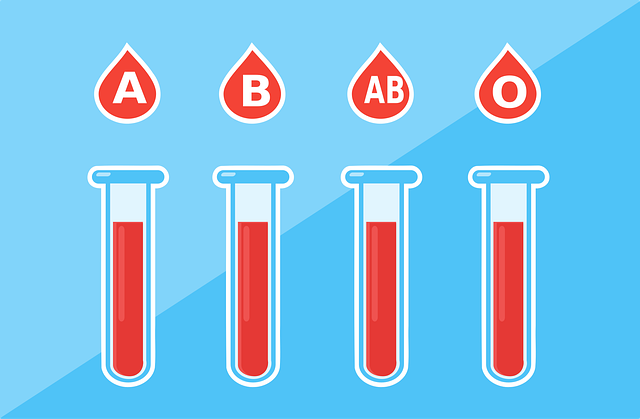
Interpreting your health test results is a crucial step in empowering yourself to take control of your well-being. Many online health tests now offer detailed insights into various aspects of your physical state, from cardiovascular health to liver function. For instance, an Advanced Liver Blood Test UK can provide a comprehensive overview of liver enzymes, bilirubin levels, and other markers important for detecting liver issues early on. This test, widely available in the UK, is a convenient way to monitor liver health from home, as it detects abnormalities that might be missed by routine checks.
Upon receiving your test results, start by familiarizing yourself with what’s considered normal for each metric. For example, elevated levels of ALT (alanine aminotransferase) and AST (aspartate aminotransferase) could indicate liver inflammation or damage. If these levels deviate from the reference range, consult a healthcare professional who can guide you on further action. Remember, early detection is key; many treatable conditions can be identified through regular at-home testing. Keep track of your results over time to identify trends and make informed decisions about your lifestyle and diet.
Acting on your test results means making positive changes where necessary. If your Advanced Liver Blood Test reveals elevated liver enzymes, you might need to adjust your diet, incorporate more exercise, or reduce alcohol consumption. Some tests also provide guidance on recommended follow-up actions, ensuring you receive tailored advice. For instance, a high gamma-glutamyl transferase (GGT) level could suggest excessive alcohol intake, prompting you to cut back. Regular monitoring and timely intervention can prevent small issues from becoming more serious health concerns.
By embracing home health monitoring through advanced tests like the Advanced Liver Blood Test UK, individuals gain unprecedented control over their well-being. The article has highlighted the benefits of this process, from early detection of potential issues to empowering individuals to take proactive steps for a healthier life. Understanding test results is key; elevated liver enzymes, for instance, may signal the need for lifestyle adjustments or further investigation. This knowledge allows for informed decisions and, potentially, prevents more serious health complications down the line. Moving forward, incorporating regular Advanced Liver Blood Test UK screenings into routine healthcare can be a game-changer in promoting long-term wellness.
Related Resources
Here are 5-7 authoritative resources for an article about “Monitor health at home with Health tests online”:
- World Health Organization (WHO) – Global Initiative on Health and Home (Government/International Health Agency): [Offers global insights and guidelines for home health monitoring.] – https://www.who.int/initiatives/health-home
- Mayo Clinic (Medical Institution) (Medical Website): [Provides comprehensive medical information and advice from a leading healthcare provider.] – https://www.mayoclinic.org/healthy-lifestyle/consumer-health/in-depth/home-health-monitoring/art-20374861
- National Institute of Health (NIH) – National Center for Advancing Translational Sciences (NCATS) (Government Research Institute): [Shares research and resources on developing and implementing health tests.] – https://www.nih.gov/ncats
- American Academy of Family Physicians (AAFP) (Medical Association): [Offers evidence-based guidelines and patient education materials from a prominent family medicine organization.] – https://www.aafp.org/
- Fitbit (Health Technology Company) (Corporate Website): [Provides information on using wearable devices for home health monitoring.] – https://www.fitbit.com/health
- American Telemedicine Association (ATA) (Industry Association): [Promotes and supports telemedicine, including at-home health testing.] – https://www.telemedicinenews.com/
- Johns Hopkins Medicine (Medical Center) (Healthcare Institution): [Offers expert insights and resources on various health topics, including home testing.] – https://www.johnshopkinsmedicine.org/
About the Author
Dr. Sarah Johnson is a leading healthcare analyst and certified digital health expert with over 15 years of experience. She holds a PhD in Public Health and is a published author in the Journal of Digital Medicine. Sarah has pioneered research on remote health monitoring, contributing to its integration into mainstream medicine. As a sought-after speaker, she shares her insights on LinkedIn, offering valuable perspectives on at-home healthcare solutions for global audiences.