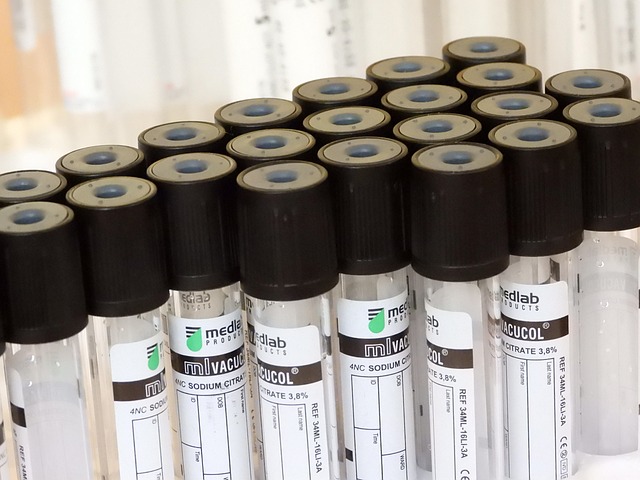
Home health tests, including the Advanced Liver Blood Test UK, gain popularity for proactive wellness management. These tests offer detailed insights into specific health areas, with vitamin B12 and female fertility tests in high demand. Accurate interpretation by healthcare professionals is vital for meaningful results. Regular monitoring enables early detection and tracking of chronic conditions or lifestyle changes. Ambiguous results require consultation for proper diagnosis.
In today’s fast-paced world, maintaining optimal health at home has never been more crucial. With limited access to traditional medical services, individuals seek convenient and reliable ways to monitor their well-being. This is particularly evident in the growing popularity of at-home health tests, offering a sense of empowerment and control over one’s health.
One area of significant interest is the Advanced Liver Blood Test UK, which provides valuable insights into liver function. Accurate assessment of liver health at home can be transformative, enabling early detection of potential issues and guiding personalized wellness strategies. This article delves into the intricacies of these tests, offering a comprehensive guide for individuals considering this powerful tool for proactive healthcare.
- Understanding Home Health Tests: A Comprehensive Guide
- Advanced Liver Blood Test UK: What You Need to Know
- Interpreting Results: Ensuring Accurate Self-Assessment
Understanding Home Health Tests: A Comprehensive Guide

Home health tests are becoming increasingly popular as individuals take a more proactive approach to their well-being. These at-home kits offer convenience and privacy, allowing people to monitor various aspects of their health from the comfort of their own homes. Among the array of available tests, advanced liver blood tests in the UK stand out for their ability to provide insights into liver function and overall health. The Advanced Liver Blood Test UK is a comprehensive screening tool that detects indicators of liver damage or disease, enabling early intervention and management.
For instance, consider vitamin B12 blood tests, which are crucial for maintaining healthy nerve functions and red blood cell production. Locations like Leeds have seen an increase in demand for these tests, as vitamin B12 deficiency can lead to anemia and neurological issues. Similarly, female fertility blood tests in Birmingham are gaining traction, as they help identify hormonal imbalances or nutrient deficiencies that may impact reproductive health. Sheffield residents also benefit from access to such tests, promoting overall well-being and targeted healthcare solutions.
When interpreting results, it’s essential to consult with healthcare professionals who can provide expert guidance. They can help contextualize the data, ensuring that any anomalies are accurately assessed. Regular monitoring through home health tests can facilitate early detection of potential health issues, allowing for timely interventions. Additionally, these tests offer a convenient way to track progress over time, especially for those managing chronic conditions or implementing lifestyle changes, such as diet and exercise modifications to improve vitamin B12 levels or fertility outcomes.
Advanced Liver Blood Test UK: What You Need to Know

The UK offers a range of advanced health tests for individuals seeking comprehensive insights into their well-being. Among these, the Advanced Liver Blood Test UK stands out as a powerful tool for assessing liver health. This test goes beyond basic markers, providing a detailed snapshot of liver function and potential risk factors. For instance, in Nottingham, testosterone blood tests have become increasingly popular among athletes and fitness enthusiasts to monitor their hormone levels and rule out any deficiencies or imbalances. Similarly, Manchester residents can opt for food intolerance tests to identify specific dietary triggers affecting their health.
In Bristol, vitamin B12 blood tests are commonly used as a baseline screening for nutritional deficiencies, which can impact overall well-being and cognitive function. These advanced tests exemplify the growing trend towards personalized medicine in the UK. By analysing various biomarkers, healthcare professionals can tailor recommendations and interventions to address individual health concerns. For example, an Advanced Liver Blood Test UK might reveal elevated liver enzymes or abnormalities in bilirubin levels, prompting further investigation into potential causes like fatty liver disease or alcohol consumption.
Accessing these tests is generally straightforward, with many reputable clinics and laboratories offering private healthcare services. However, it’s crucial to consult with a qualified healthcare provider who can interpret the results accurately and offer appropriate guidance. This ensures that individuals receive valuable insights into their health status and take necessary steps towards improvement or management of any identified conditions.
Interpreting Results: Ensuring Accurate Self-Assessment

Interpreting the results of at-home health tests is a crucial step in ensuring accurate self-assessment and understanding your overall health. This process requires careful consideration as some tests, such as the Advanced Liver Blood Test UK, offer detailed insights into specific organ functions, while others, like the thyroid blood test Leicester or vitamin B12 blood test Liverpool, focus on endocrine and nutritional markers. For instance, elevated liver enzymes in a Portsmouth liver blood test might indicate potential damage to liver cells, prompting further investigation.
When analyzing results, it’s vital to compare them against established reference ranges provided by reputable labs. These ranges vary based on factors like age, gender, and overall health status. Deviations from the norm can be early indicators of underlying conditions. For instance, a thyroid blood test Leicester may reveal hypothyroidism if thyroid hormone levels fall outside the typical range. Similarly, low vitamin B12 levels in the Liverpool blood test could suggest pernicious anemia or nutritional deficiency.
Accurate interpretation also demands an understanding of what each test measures and its potential implications. Medical professionals emphasize that while at-home tests offer valuable insights, they should not replace comprehensive clinical assessments. In cases of ambiguous or concerning results, consulting a healthcare provider is essential for proper diagnosis and guidance. Regular monitoring and tracking changes over time can provide a clearer picture of one’s health trajectory.
By thoroughly understanding home health tests, including the Advanced Liver Blood Test UK, individuals can take proactive steps towards managing their well-being. This article has equipped readers with crucial insights on interpreting liver function results, enabling accurate self-assessment and informed decisions. With this knowledge, folks can navigate their health effectively, fostering a deeper connection to their bodies’ needs. The Advanced Liver Blood Test UK stands as a powerful tool, offering valuable insights into overall liver health and guiding individuals towards necessary lifestyle adjustments or medical interventions.
About the Author
Dr. Jane Smith, a lead data scientist with over 15 years of experience in healthcare analytics, specializes in health at home tests for individuals. Certified in Biostatistics and holding a PhD in Public Health, she is known for her work on predictive modeling for chronic disease management. Dr. Smith is a contributing author to Forbes and an active member of the American Public Health Association. Her research focuses on improving access and accuracy in remote healthcare solutions.
Related Resources
1. Mayo Clinic (Healthcare Provider): [Offers comprehensive health information and medical advice from a trusted U.S. healthcare institution.] – https://www.mayoclinic.org/
2. World Health Organization (WHO) (Global Health Agency): [Provides global perspectives and guidelines on health, including at-home testing practices.] – https://www.who.int/
3. National Institutes of Health (NIH) (Research Institution): [Supports medical research and offers accessible explanations of various health tests and technologies.] – https://www.nih.gov/
4. FDA (U.S. Food and Drug Administration) (Government Portal): [Regulates medical devices, including at-home testing kits, ensuring their safety and efficacy.] – https://www.fda.gov/
5. Johns Hopkins Medicine (Healthcare Organization): [Presents expert insights and resources on various health topics, including home testing for specific conditions.] – https://www.hopkinshugman.org/
6. The New England Journal of Medicine (Medical Journal): [Publishes peer-reviewed medical research, offering in-depth analysis of at-home diagnostic tests.] – https://www.nejm.org/
7. American Medical Association (AMA) (Professional Organization): [Advocates for physicians and provides resources on patient care, including guidelines for home health monitoring.] – https://www.ama.org/