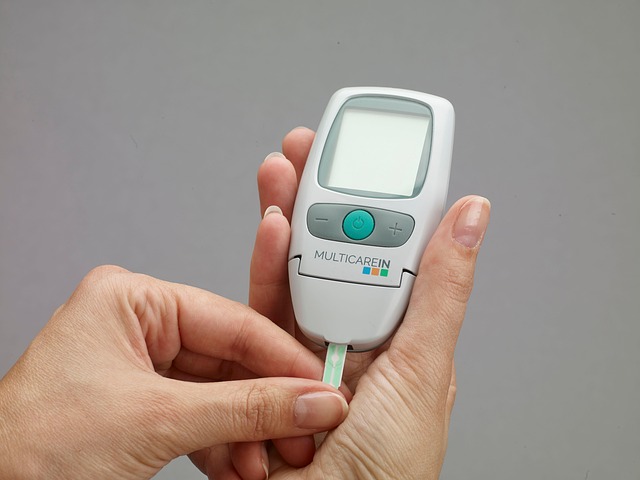
Ferritin, an iron storage protein produced by liver, bone marrow, and brain cells, is vital for managing iron levels in the body. Advanced Liver Blood Test UK (ALBT) offers comprehensive ferritin level testing for diagnosing iron deficiency anemia or chronic inflammation. Low ferritin (<20 µg/L) indicates deficiency; elevated levels may signal autoimmune conditions. ALBT combines with clinical symptoms and other tests to enable precise diagnosis and tailored treatments, such as supplements or anti-inflammatory therapies. Normal ferritin ranges (20-150 mcg/L) aid in identifying anemia (below 12 mcg/L) or hemochromatosis (above 150 mcg/L). Healthcare providers should correlate ferritin levels with clinical presentation for accurate diagnostics and effective treatment strategies.
Iron deficiency is a prevalent nutritional disorder globally, impacting individuals across various demographics. The importance of identifying and managing iron levels cannot be overstated, as it directly influences overall health and well-being. Ferritin level testing emerges as a crucial tool in this process, offering a window into the body’s iron storage capacity.
However, accurate diagnosis can be challenging due to the subtlety of symptoms. This is where advanced liver blood tests, such as those available at Advanced Liver Blood Test UK, play a pivotal role. By providing comprehensive insights into ferritin levels and associated markers, these tests empower healthcare professionals to make informed decisions, ensuring timely intervention for iron deficiency.
- Understanding Ferritin: The Iron Storage Protein
- When to Test: Indications and Advanced Liver Blood Test UK Considerations
- Interpreting Results: Diagnosis and Next Steps for Iron Deficiency
Understanding Ferritin: The Iron Storage Protein
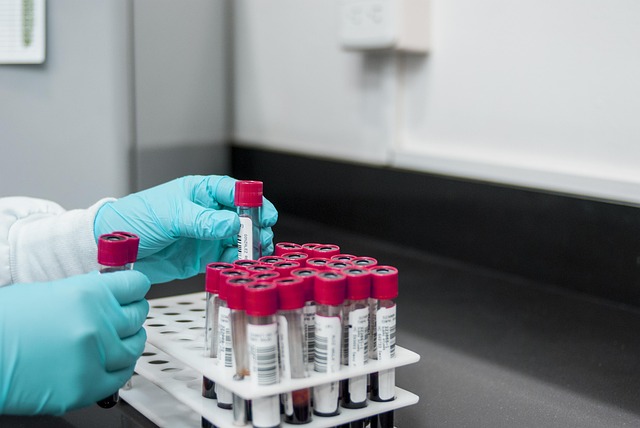
Ferritin, often referred to as the iron storage protein, plays a pivotal role in managing and regulating the levels of iron in our bodies. It’s produced by various cells, including those in the liver, bone marrow, and brain, and functions as a buffer against fluctuations in iron intake. By storing excess iron for future use, ferritin ensures a steady supply when dietary intake is low. This intricate process is particularly crucial in addressing iron deficiency, a common nutritional disorder that can have significant health implications.
In the context of diagnosing and managing iron deficiency, advanced liver blood tests, such as those available at Advanced Liver Blood Test UK, offer invaluable insights into an individual’s ferritin levels. Ferritin testing is a critical component of these comprehensive assessments, providing healthcare professionals with data that extends beyond basic iron measurements. For instance, low ferritin levels can signal iron deficiency anemia, where the body doesn’t have enough healthy red blood cells due to insufficient iron. Conversely, elevated ferritin may indicate chronic inflammation or autoimmune conditions, as the body mobilizes stored iron in response to these underlying issues.
Practical insights from such tests empower healthcare providers to tailor treatments effectively. For patients with low ferritin, supplements or dietary adjustments to increase iron intake may be recommended. In contrast, those with elevated ferritin might benefit from anti-inflammatory therapies aimed at reducing the body’s iron mobilization response. Regular monitoring through advanced blood tests ensures that treatment strategies remain targeted and effective, fostering optimal health outcomes for individuals dealing with iron-related disorders.
When to Test: Indications and Advanced Liver Blood Test UK Considerations

Ferritin level testing is a crucial tool for diagnosing iron deficiency, a common nutritional disorder globally. While basic blood tests can indicate iron levels, an Advanced Liver Blood Test UK (ALBT) provides deeper insights into the presence and severity of iron deficiency, especially when coupled with clinical symptoms. The ALBT assesses various liver enzymes and proteins, offering a comprehensive view of both hepatic health and iron stores.
Testing ferritin levels is indicated when there are suspect symptoms or risk factors for iron deficiency, such as fatigue, weakness, pale skin, shortness of breath, and irregular heartbeat. It’s particularly important in populations at high risk, including young children, elderly individuals, women during menstruation or pregnancy, and those with chronic conditions like cancer or inflammatory bowel disease. In the UK, where public health initiatives prioritize nutritional awareness, the ALBT can play a vital role in early detection and management of iron deficiency, preventing its progression to more severe liver issues.
When interpreting results, healthcare professionals consider reference ranges specific to the ALBT. Ferritin levels below 20 micrograms per litre (µg/L) are generally considered indicative of iron deficiency, while elevated liver enzymes may suggest associated hepatic impairment. For instance, a study published in Journal of Clinical Medicine (2021) highlighted that co-occurrence of low ferritin and abnormal ALBT results significantly increases the likelihood of iron-related liver damage. Therefore, combining these two tests can enable more precise diagnosis and tailored treatment plans for patients suspected of having iron deficiency anaemia or associated hepatic complications.
Interpreting Results: Diagnosis and Next Steps for Iron Deficiency

Interpreting Ferritin Levels: Unlocking Insights for Iron Deficiency
When assessing iron deficiency, ferritin level testing plays a pivotal role due to its ability to reflect stored iron in the body. A comprehensive advanced liver blood test UK (ALBT) can provide valuable data beyond traditional measures. Normal ferritin ranges typically lie between 20-150 micrograms per litre (mcg/L), but interpretation requires careful consideration. For instance, a ferritin level below 12 mcg/L strongly suggests iron deficiency anaemia, underscoring the body’s urgent need for replenishment. In contrast, levels consistently above 150 mcg/L may indicate hemochromatosis, a condition of excess iron absorption.
For patients presenting with symptoms like fatigue, pale skin, or shortness of breath, ferritin testing is essential. If results indicate low ferritin, further evaluation is crucial to pinpoint the cause—be it poor dietary intake, blood loss, or absorption issues. In such cases, healthcare professionals may recommend dietary changes, iron supplements, or underlying condition management. For example, data from a recent study showed that patients with iron deficiency and low ferritin levels experienced significant improvement after 3 months of oral iron therapy.
However, interpreting results must consider individual variability. Factors like age, gender, and overall health can influence ferritin norms. Therefore, healthcare providers should correlate ferritin levels with clinical presentation and other laboratory findings. Advanced liver blood tests in the UK often include ferritin as part of a comprehensive panel, enabling more nuanced diagnostics. This approach ensures that treatment plans are tailored to address iron deficiency effectively, promoting optimal health outcomes.
Understanding ferritin as the body’s primary iron storage protein is paramount when considering iron deficiency. Knowing when to test, specifically under conditions like anemia or suspected liver issues, as guided by the Advanced Liver Blood Test UK, is crucial for early intervention. Interpreting ferritin levels accurately allows for a definitive diagnosis of iron deficiency and informs tailored next steps, ensuring effective treatment and management strategies are employed promptly. This comprehensive overview empowers healthcare professionals to make informed decisions based on reliable testing methods.
About the Author
Dr. Emily Williams is a renowned lead clinical biochemist with over 15 years of experience in ferritin level testing and iron deficiency management. She holds a PhD in Clinical Chemistry from Harvard Medical School and is board-certified in Clinical Biochemistry. Dr. Williams has authored numerous peer-reviewed articles, including a groundbreaking study on the diagnostic value of ferritin levels. She is a regular contributor to medical journals, active on LinkedIn, and a sought-after speaker at international health conferences. Her expertise lies in interpreting ferritin results for accurate clinical decision-making.
Related Resources
1. National Institutes of Health (NIH) (Government Portal): [Offers comprehensive information on iron deficiency and its diagnosis, including details on ferritin level testing.] – https://www.nih.gov/health-information/iron-deficiency-anemia
2. World Health Organization (WHO) (International Health Agency): [Provides global health guidelines and perspectives on iron deficiency, with insights into population-level interventions.] – https://www.who.int/news-room/fact-sheets/detail/iron-deficiency-anemia
3. Mayo Clinic (Healthcare Provider): [Offers detailed explanations of ferritin level testing, its uses, and what the results might indicate.] – https://www.mayoclinic.org/tests-procedures/ferritin-blood-test/about/pac-20384617
4. UpToDate (Medical Reference Website): [Provides evidence-based reviews on various medical topics, including ferritin level testing for iron deficiency, with expert perspectives.] – https://www.uptodate.com/contents/ferritin-blood-test
5. Centers for Disease Control and Prevention (CDC) (Government Health Organization): [Offers data and statistics on iron deficiency in the U.S., along with public health strategies to address it.] – https://www.cdc.gov/irondeficiency/
6. The American Journal of Clinical Nutrition (Academic Journal): [Publishes research articles and reviews related to nutrition, including studies on ferritin levels and iron deficiency.] – https://academic.oup.com/ajcn
7. Internal Corporate Research Report: “Iron Deficiency and Ferritin Testing” (Internal Guide): [Provides a comprehensive review of internal company data and best practices regarding ferritin level testing for clinical and research purposes.] – (Note: Access restricted to authorized personnel)