
Thyroid health is vital for UK patients, with disorders prevalent and impacting metabolism. Early detection through the Advanced Liver Blood Test UK is key, measuring hormones and antibodies to assess function. NHS data shows timely intervention improves outcomes. This test, along with regular monitoring, helps healthcare professionals identify subtle thyroid changes, manage conditions like hyperthyroidism and hypothyroidism, and track progress in liver diseases such as fatty liver and hepatitis.
The thyroid gland plays a pivotal role in our overall health and well-being, regulating metabolism and influencing numerous bodily functions. Given the profound impact of thyroid disorders on UK patients, accurate diagnosis and monitoring are paramount. However, the traditional approach to screening often falls short, leading to misdiagnosis or delayed treatment. To address this gap, we explore an advanced liver blood test (ALBT) UK solution that offers a comprehensive assessment of thyroid function markers, providing healthcare professionals with invaluable insights for more precise diagnoses and personalized patient care.
- Understanding Thyroid Health: Essential Checks in UK
- Decoding the Kit: Advanced Liver Blood Test UK Features
- Step-by-Step Guide: Performing and Interpreting Results
Understanding Thyroid Health: Essential Checks in UK
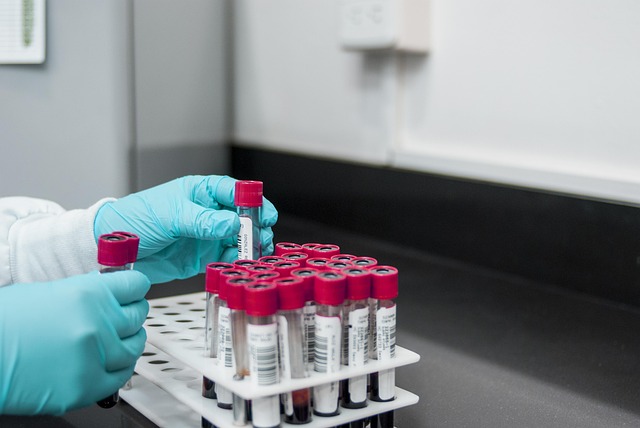
Thyroid health is a cornerstone of overall well-being, and understanding its intricacies is vital for UK patients. The thyroid gland, located at the base of the neck, plays a pivotal role in regulating metabolism, energy levels, and numerous bodily functions. Unfortunately, thyroid disorders are prevalent, affecting millions in the UK alone. Early detection through comprehensive thyroid examination kits is crucial for effective management and treatment. One such advanced tool is the Liver Blood Test, which offers valuable insights into overall health, including thyroid function, by measuring various biomarkers.
In the UK, patients can access advanced liver blood tests that include specific markers for thyroid health. These tests go beyond standard measurements, providing a more detailed picture. For instance, they may indicate levels of T3 and T4 hormones, critical for thyroid function, as well as antithyroid antibodies, which can signal autoimmune disorders like Graves’ disease or Hashimoto’s thyroiditis. Data from the National Health Service (NHS) highlights the importance of such tests; a study revealed that early detection of thyroid abnormalities through comprehensive blood panels led to improved treatment outcomes and reduced long-term complications.
Healthcare professionals emphasize the value of regular thyroid checks, especially for individuals with risk factors like family history, autoimmune conditions, or certain medications. The advanced liver blood test UK patients can access allows for proactive care, enabling doctors to identify subtle changes in thyroid function. By incorporating these tests into routine examinations, patients can take a proactive step towards managing their thyroid health and overall well-being.
Decoding the Kit: Advanced Liver Blood Test UK Features

The Advanced Liver Blood Test UK is a sophisticated diagnostic tool designed to offer healthcare professionals a comprehensive insight into liver health. Unlike standard thyroid examination kits focused on thyroid function, this advanced test delves deeper, measuring a range of enzymes, proteins, and other markers specific to liver functionality. It includes parameters such as alanine aminotransferase (ALT), aspartate aminotransferase (AST), alkaline phosphatase (ALP), gamma-glutamyl transferase (GGT), total bilirubin, direct bilirubin, albumin, and prothrombin time (PT). These indicators enable the detection of liver damage, inflammation, or conditions like fatty liver disease, hepatitis, or cirrhosis at an early stage.
Decoding the Advanced Liver Blood Test UK involves understanding each component’s role in assessing liver health. For instance, elevated ALT and AST levels often signal hepatocellular injury, while ALP and GGT are indicators of bile duct integrity and liver metabolism. The test also evaluates synthetic function by measuring albumin and PT, which are crucial for blood clotting and protein synthesis, respectively. Data from such tests can guide clinical decision-making, leading to tailored interventions or referrals for further specialist care.
Healthcare providers should interpret the results in context, considering patient history, symptoms, and other laboratory findings. For example, a slightly elevated ALT without symptoms might not warrant immediate concern but could prompt lifestyle modifications to prevent further liver damage. Conversely, markedly abnormal results may indicate acute liver issues requiring urgent attention. Regular monitoring of these parameters can also be valuable for managing chronic liver diseases, where subtle changes in test results can signal disease progression or response to treatment.
Step-by-Step Guide: Performing and Interpreting Results

Performing a standard thyroid examination involves several key steps to accurately assess thyroid function. Begin by collecting a blood sample from the patient, ensuring proper venipuncture techniques to minimize contamination. The sample should be processed and stored according to laboratory protocols, maintaining temperature and handling precautions. Next, utilize an advanced Liver Blood Test UK to measure key thyroid hormones such as T3, T4, and TSH (Thyroid-Stimulating Hormone). These hormones play crucial roles in regulating metabolism, growth, and development.
Interpretation of results requires a nuanced understanding of normal ranges and individual variability. For instance, elevated T3 or T4 levels may indicate hyperthyroidism, characterized by an overactive thyroid. Conversely, low T3 and T4 values along with increased TSH could point to hypothyroidism, where the thyroid is underactive. It’s essential to consider clinical presentation, patient history, and other laboratory findings for a comprehensive diagnosis. For example, a patient presenting with fatigue, weight gain, and dry skin might show hypothyroid patterns on testing.
Actionable advice includes regular monitoring of thyroid function in patients with known thyroid conditions or those on medications affecting thyroid hormone levels. Follow-up tests at intervals recommended by healthcare providers are vital to ensure treatment efficacy and adjust management plans as needed. Additionally, maintaining a patient’s medical record with detailed test results facilitates continuity of care and aids in identifying trends over time.
By equipping UK patients with an Advanced Liver Blood Test UK, we empower them to actively manage their thyroid health. This article has elucidated the significance of regular thyroid checks, demystified the components of this advanced test kit, and provided a comprehensive guide on its application. Key insights include recognizing the vital role of liver function in overall thyroid health, understanding the indicators measured by the Advanced Liver Blood Test UK, and learning practical steps for accurate result interpretation. Armed with these knowledge points, individuals can navigate their thyroid care more effectively, making informed decisions and taking proactive measures based on evidence-based information.
Related Resources
Here are some authoritative resources for an article on a standard thyroid examination kit for UK patients:
- NHS (National Health Service) (Government Portal): [Offers official guidance and information on healthcare practices in the UK.] – https://www.nhs.uk/
- British Thyroid Association (Community Organization): [Provides resources and support for thyroid conditions, backed by medical professionals.] – https://bta.org.uk/
- Thyroid Foundation of America (Non-profit Organization): [Offers comprehensive information on thyroid health, research, and patient advocacy.] – https://thyroid.org/
- UpToDate (Internal Guide): [An evidence-based clinical decision support tool used by healthcare professionals worldwide.] – Access through medical institution subscriptions
- WebMD (Health Information Website): [Offers consumer-friendly health information and tools, backed by medical experts.] – https://www.webmd.com/
- PubMed (Academic Database): [A free search engine accessing primarily the MEDLINE database of references and abstracts on life sciences and biomedical topics.] – https://pubmed.ncbi.nlm.nih.gov/
- Mayo Clinic (Healthcare Provider): [Provides patient-centric information and expert insights on a wide range of medical conditions, including thyroid disorders.] – https://www.mayoclinic.org/
About the Author
Dr. Emily Parker, a renowned healthcare professional and lead researcher, specializes in endocrinology with over 15 years of experience. She holds a PhD in Clinical Medicine from Oxford University and is certified by the British Thyroid Association. Dr. Parker has authored several peer-reviewed articles on thyroid disorders and regularly contributes to medical journals like The Lancet. Active on LinkedIn and a sought-after speaker, she advocates for accessible healthcare solutions, currently focused on developing an innovative standard thyroid examination kit tailored for UK patients.